If you run support on Linear and your requests come from customers rather than coworkers, Linear Asks alone won't cover it — you need an external customer-support layer on top of Linear. That's what we build at Hipporello: Service Desk for Linear turns public forms and support emails into Linear issues and gives your customers a branded portal, while your team answers from inside Linear. This guide explains where Linear Asks fits, where its scope ends, and how the two work together.
We wrote this because the question comes up a lot, and we want to be fair about it: Linear Asks is a genuinely good feature, and for plenty of teams it's all they need. The question we keep hearing is narrower: what do you do when the person filing the request is a customer rather than an employee? First, a proper rundown of what Linear Asks is and does. Then the part it wasn't built for, and the external layer that picks up there.
What is Linear Asks?
Linear Asks is Linear's native request-intake feature. It converts messages from Slack, email, and web forms into Linear issues that land in a team's Triage queue, where they can be reviewed, assigned, and worked like any other issue. Linear positions it for internal workplace requests — bug reports, IT help desk tickets, HR and People questions, legal and ops asks.
A few things Linear Asks does well:
Slack-native intake. React to a Slack message with a 🎫 emoji, or @mention the Linear Asks agent, and it becomes an issue. For teams that live in Slack, filing a request takes a couple of seconds.
Templates and fields. Linear Asks templates standardize what an intake form collects, so a "new laptop" request and a "bug report" ask for different, structured information.
Triage routing. Requests land in Triage and can be routed to the right team, keeping intake out of the main backlog until someone accepts it.
Email intake. Linear Asks can receive email at a dedicated address and keep a synced thread on the resulting issue, which is handy for turning an inbox into issues.
Private Asks and the Linear Asks agent. Sensitive HR or legal requests can stay private, and anyone in your Slack workspace can file a request without a Linear seat by mentioning the agent, which picks a template and prompts for the fields.
If your goal is to stop internal requests from getting lost in Slack DMs and channel threads, Linear Asks does that job well. Credit where it's due.
What Linear Asks is built for
Linear Asks is designed around one assumption: the person making the request is already inside your company. Everything about it fits that model.
The web forms Linear shipped for Asks in 2026 are for "anyone in your company," and they require the requester to sign in through your identity provider first. Slack intake requires being in your Slack workspace. Even the seat-free Linear Asks agent works because the requester is already in your Slack. That's exactly what you want for an internal IT or People desk — you want requests tied to a known employee.
It's also worth being clear on pricing and plan gating, because it shapes who Linear Asks is realistically for. The feature is available on the Business plan (from $16/user/month, billed annually) and above. The advanced version — including web forms — is Enterprise-only. So the piece that turns Linear Asks into something form-driven sits at the top of Linear's pricing.
Where Linear Asks' scope ends: external customer requests
Linear Asks is built for internal requests, so its scope naturally ends at your company's edge. It doesn't include a public, branded customer portal, unauthenticated public forms, a knowledge base for self-service, or a requester-facing way for an outside person to track a ticket's status. None of that is what an internal intake feature sets out to do, so we wouldn't call this a shortcoming. When the requester is a customer rather than a coworker, though, you're outside what Linear Asks was designed for, and a complementary external layer takes over.
Here's the boundary, feature by feature — with a couple of nuances worth getting right, because Linear's audience rewards precision:
No public portal. There's no branded, custom-domain page where an external requester submits a ticket and comes back to check on it. Linear Asks assumes the requester is in Slack or signed in through your IdP.
No public forms. Linear Asks web forms require identity-provider sign-in, so they're for employees, not the public. A customer can't fill one out from your website.
Email intake is the gray area. Linear Asks email intake can technically receive mail from anyone who has the address, and it keeps a synced thread on the issue, so a blanket "it can't take email" claim would be wrong. What's missing is everything wrapped around email in a real support setup: no branded portal for that requester, no status page they can visit, no knowledge base, no self-service.
No self-service knowledge base. There's no article library an external requester can search before filing a ticket.
No requester-facing status tracking. Follow-ups happen through synced Slack or email threads. An outside customer has no "my tickets" view to check where their request stands.
Again, none of this is a knock on Linear Asks; it was aimed at a different job. You can see the same pattern play out in the Reddit thread that ranks near the top for "linear asks" ("A bit disappointed by Asks restrictions, looking for advice"), where teams hit the internal-only boundary and go looking for something to sit alongside Linear Asks rather than replace it.
Linear Asks and Hipporello Service Desk, side by side
If your requests come from teammates, Linear Asks is the answer. If they also come from customers, you add an external support layer on top of Linear for that half. The two don't compete. Most teams that add the second keep the first running for their internal desk.
Linear Asks (internal) | Hipporello Service Desk (external) | |
|---|---|---|
Who requests | Employees in your Slack / IdP | Anyone — customers, no account needed |
Branded customer portal | No | Yes, on a custom domain |
Public forms (no login) | No (IdP sign-in required) | Yes |
Email-to-issue | Yes | Yes |
Knowledge base / self-service | No | Yes (Knowledge Base add-on) |
Requester-facing status tracking | No | Yes |
Two-way replies from the issue | Slack/email threads | Yes, from inside the Linear issue |
Seats for requesters | Slack workspace / IdP membership | None needed |
Plan required | Business+ ($16/user/mo); forms Enterprise-only | Free tier, then $10/agent/mo |
The short version: Linear Asks is for the requests that originate inside your company. Everything customer-facing — the portal, the public form on your site, the help articles, the "where's my ticket" page — is the layer Linear Asks doesn't try to cover.
How to handle external customer requests in Linear
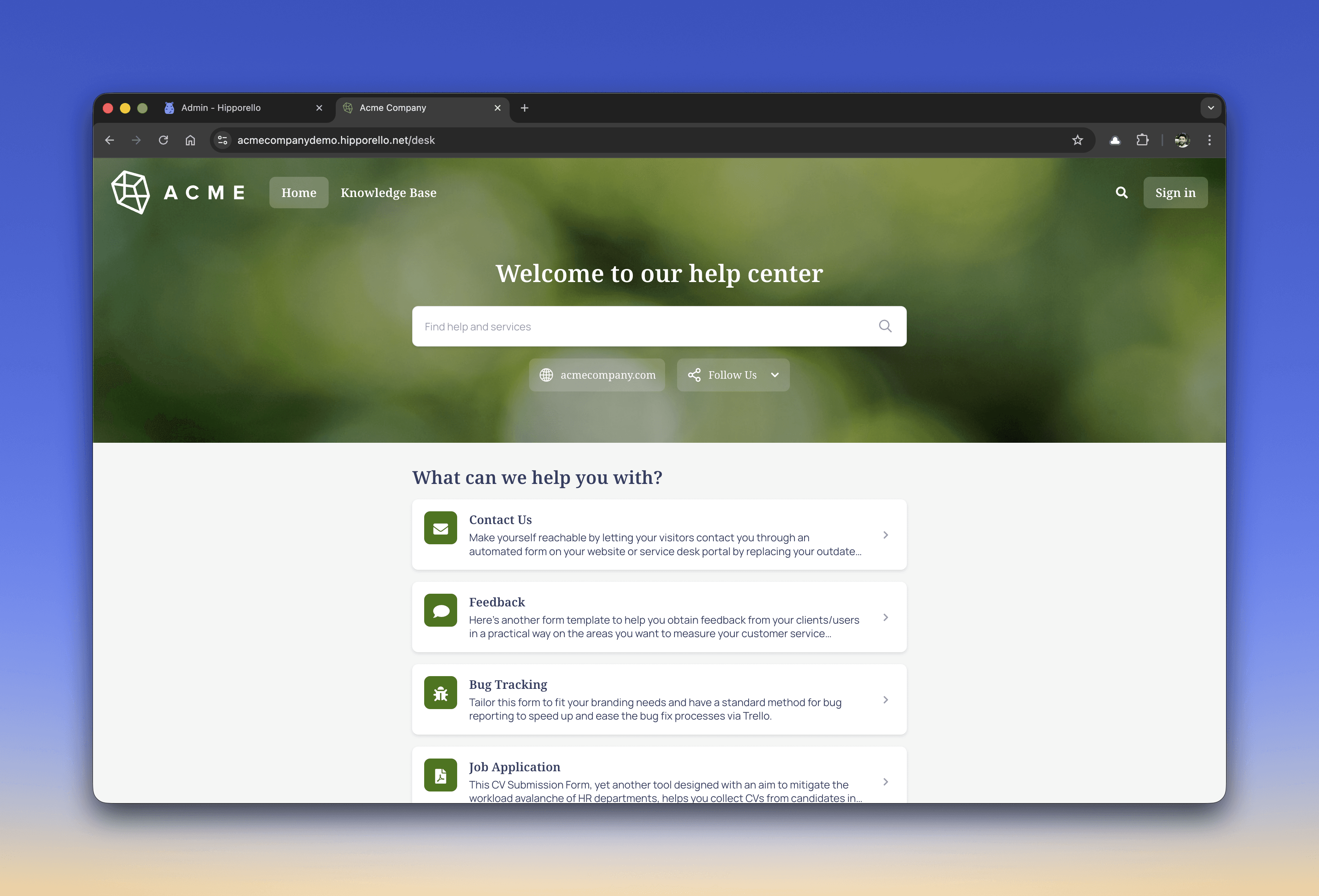
To take customer requests in Linear, you add an external support layer that turns public forms and support emails into Linear issues, then lets your team reply to the customer from inside the issue. That's what Hipporello Service Desk does — it's how you turn Linear into a customer ticketing system without giving customers a Linear seat.
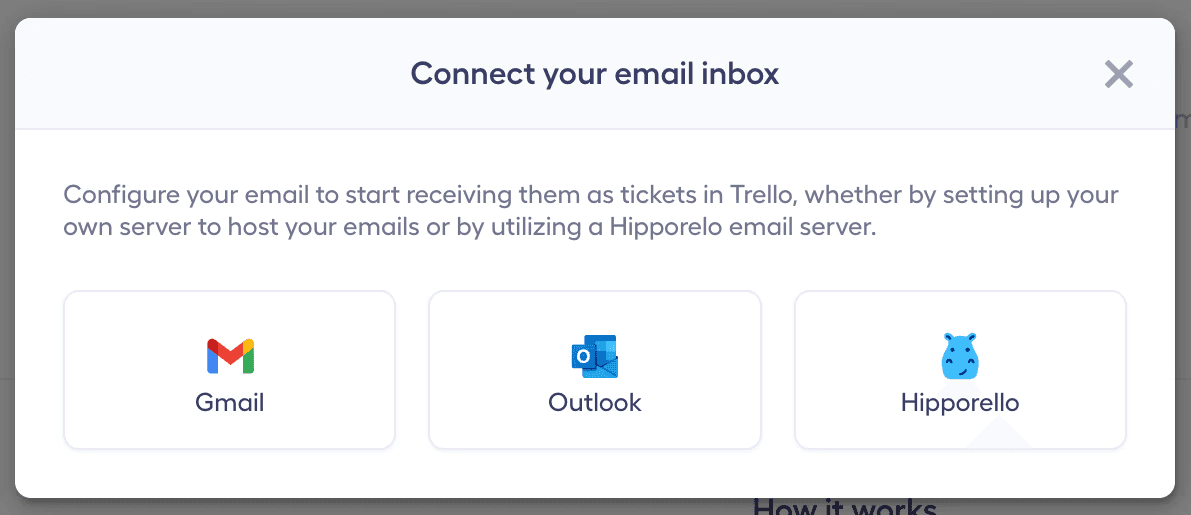
In practice:
Public forms and support emails become Linear issues. A customer submits a form on your site or emails your support address; it lands as a Linear issue in the team you choose.
Your team replies from the issue. Agents answer from inside Linear through a built-in conversation module; the back-and-forth syncs to the issue and reaches the customer by email or in the portal.
Requesters get a branded portal. Customers submit tickets and track status from a portal on your domain — no Linear account required. Add self-service knowledge-base articles with the Knowledge Base add-on.
It doesn't replace Linear Asks. Keep it for internal IT and People requests; add the external layer for customers. They coexist.
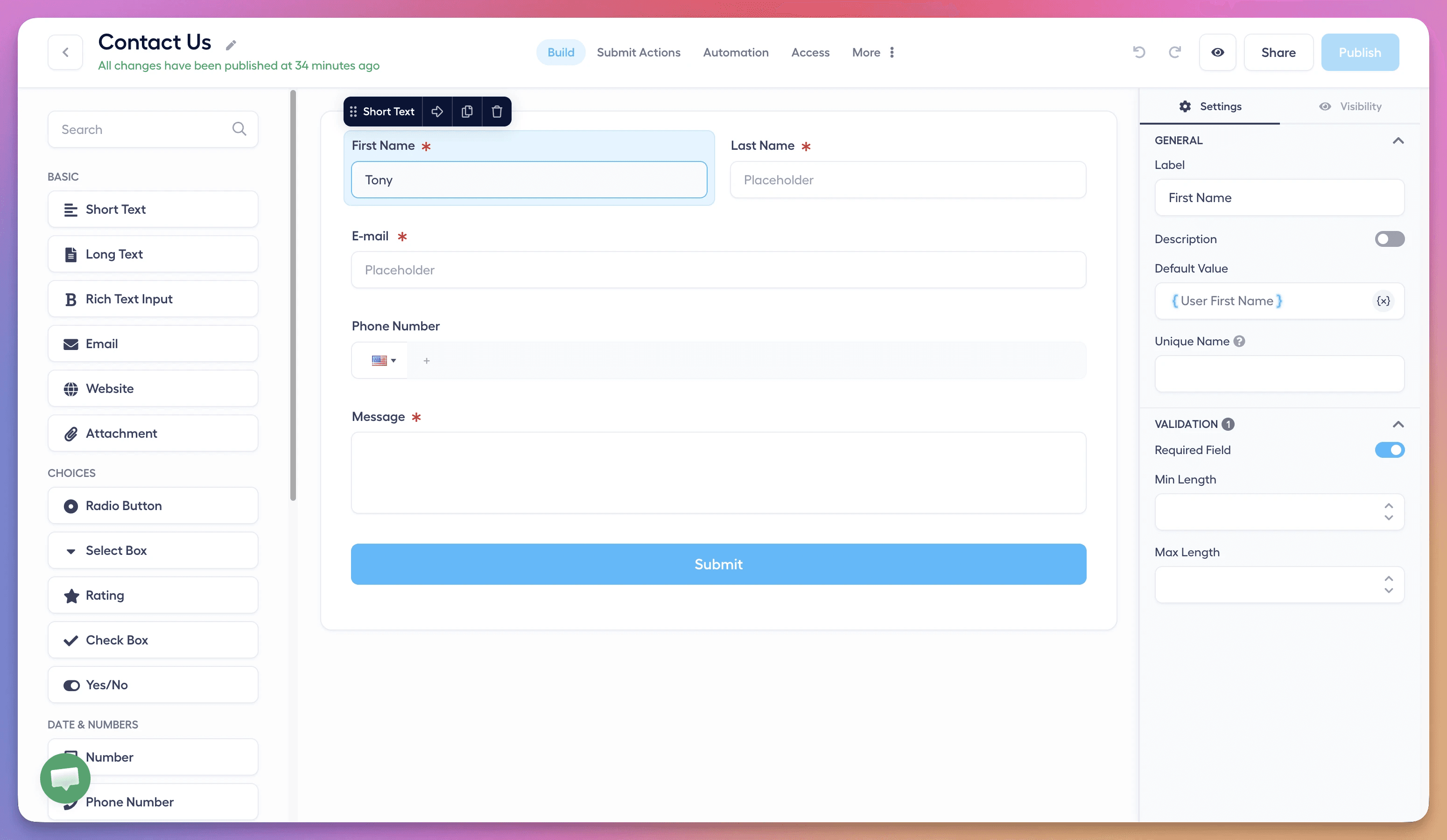
Pricing is deliberately light for small teams: a free tier (5 Linear issues per month, public forms, email-to-Linear, unlimited agents) and Premium at $10 per agent per month for unlimited issues, private forms, advanced automations, and custom fields, with a 14-day Premium trial. For a step-by-step walkthrough, see how to build a Linear ticketing system with a customer portal.
To be honest about fit: if all your requests are internal, you don't need this. Linear Asks is enough, and it's already in Linear. Hipporello earns its place only when the people filing requests are outside your company.
FAQ
Is Linear Asks free?
No. Linear Asks is available on Linear's Business plan (from $16/user/month, billed annually) and above. The advanced version, including web forms, is on the Enterprise plan. Linear's Free and Basic plans don't include Linear Asks.
Can external customers use Linear Asks?
Not in the way a help desk works. Linear Asks is built for internal requests: its web forms require identity-provider sign-in and its Slack intake requires being in your Slack workspace. There's no public, unauthenticated portal or form for outside customers. For external requests you need a customer-facing layer such as Hipporello Service Desk.
Can Linear Asks send email replies to customers?
Linear Asks can receive email and keep a synced thread on the issue, so basic email back-and-forth is possible. What it lacks is the rest of a support experience for that requester: a branded portal, a status-tracking page, and a self-service knowledge base. Those come from an external support layer on top of Linear.
What's the difference between Linear Asks and a help desk?
Linear Asks is internal request intake: it turns coworkers' Slack, email, and form requests into Linear issues. A help desk adds the external, customer-facing side: a branded portal, public forms, self-service knowledge base, and requester-facing ticket tracking. Hipporello Service Desk adds that layer to Linear while your team keeps working in Linear issues.
Do customers need a Linear account to submit a request?
Not with an external portal. Hipporello Service Desk lets customers submit and track tickets from a branded portal on your domain with no Linear seat. Linear Asks, by contrast, expects requesters to be in your Slack workspace or signed in through your identity provider.
Table of Contents